
Tarangire National Park
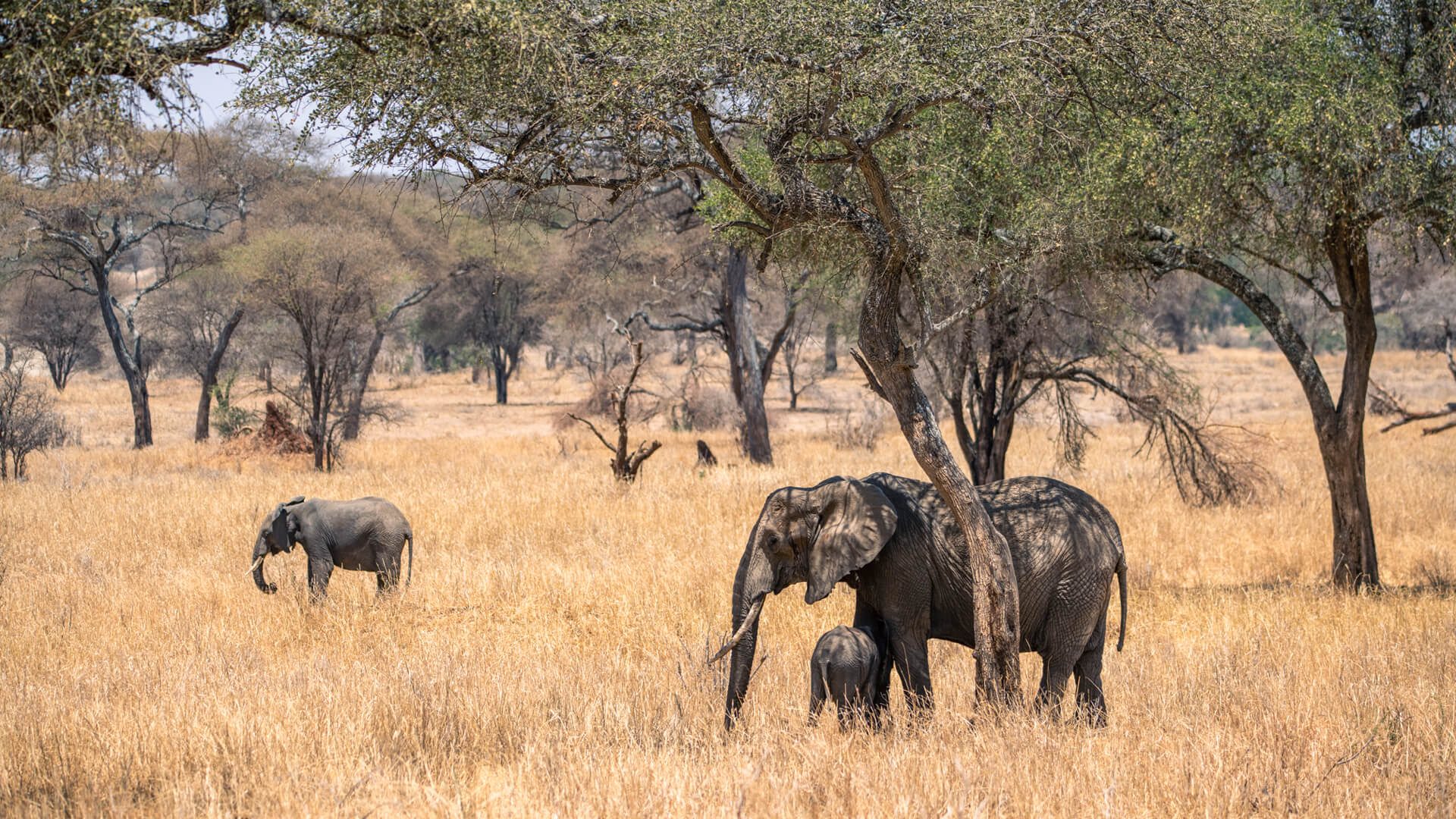
Kilimanjaro views from the baobab plains — Tarangire's elephant herds and quiet camps offer gentle post-trek recovery.
Overview
Tarangire National Park provides a quieter, more intimate post-climb safari alternative to the busier northern circuit parks. Located just two hours from Arusha, Tarangire is famous for its ancient baobab trees and massive dry-season elephant gatherings — up to 3,000 elephants concentrate along the Tarangire River between June and October. For Kilimanjaro climbers seeking recovery rather than another adrenaline rush, Tarangire delivers a contemplative safari experience. The park receives a fraction of the visitors that Serengeti and Ngorongoro attract, meaning game drives feel exclusive and unhurried. On clear days, Kilimanjaro's snow-capped peak is visible from the park's higher ground, offering a satisfying perspective on the mountain you just conquered. Birdwatchers will appreciate the park's 550 recorded species, the highest count of any Tanzanian park. Combine Tarangire with a night at a nearby coffee plantation lodge for the ultimate decompression after your summit.
Wildlife
Best Time to Visit
June-October for maximum elephant concentrations and clear Kilimanjaro views. The dry season aligns perfectly with peak climbing months for seamless trek-to-safari transitions.
Getting There
2-hour drive from Arusha on tarmac roads — the most accessible park for climbers with limited time. Can be combined with Lake Manyara for a 2-3 day circuit.
Areas to Explore
Tarangire River Valley
The Tarangire River flows year-round through the heart of the park, creating a narrow green ribbon through brown dry-season savannah. During July to October, the river banks become one of East Africa's most dramatic wildlife congregation points, with elephant herds of 200-300 individuals, buffalo in the thousands, and stalking lion prides. Massive baobab trees — some with trunk circumferences exceeding 15 metres — line the valley.
Silale Swamp
Silale Swamp is a vast seasonal wetland in the southern section of Tarangire, attracting huge herds of buffalo, waterbuck, and reedbuck. The swamp is a critical dry-season refuge and one of the best areas in the park for sighting python draped in acacia trees. Fewer visitors reach this remote southern section, providing a more exclusive game-viewing experience compared to the northern river frontage.
Lemiyon & Northern Boundary
The Lemiyon area near Tarangire's northern boundary is characterized by open grassland dotted with termite mounds and scattered baobabs. This area is frequented by cheetah, who use the flat terrain for high-speed hunts, and harrier hawks that hunt from the termite mounds. Several walking safari operations run guided walks along the northern boundary area, which also offers views of the Rift Valley escarpment.
Climbs & Journeys Here
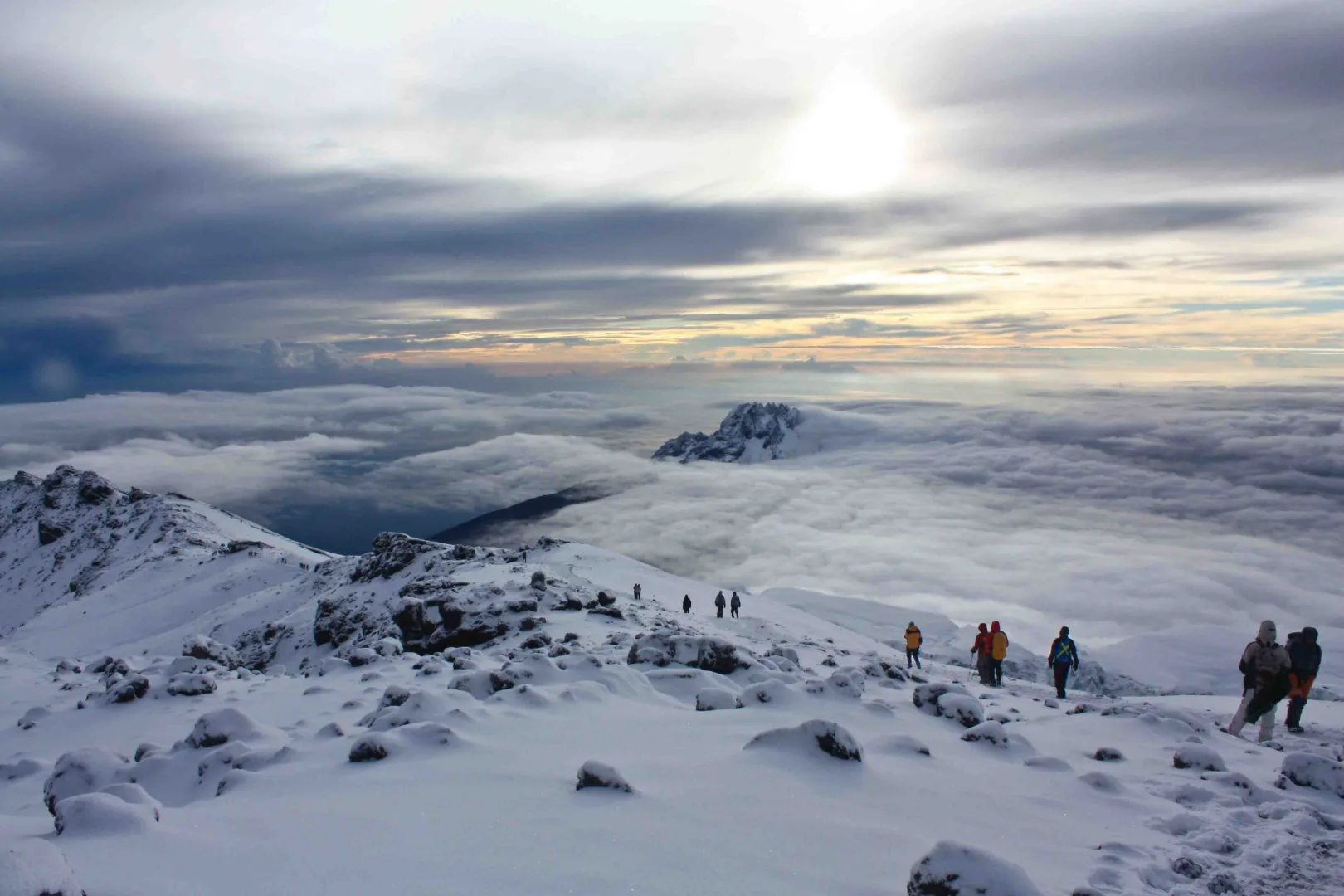
Kilimanjaro via Machame Route — 6 Days
Mt. Kilimanjaro, Tanzania · Authentic Kilimanjaro✓ Verified
The classic Machame route in a faster 6-day format — for fit, experienced trekkers who want to summit the Whiskey Route efficiently.
$1,900per person
View Details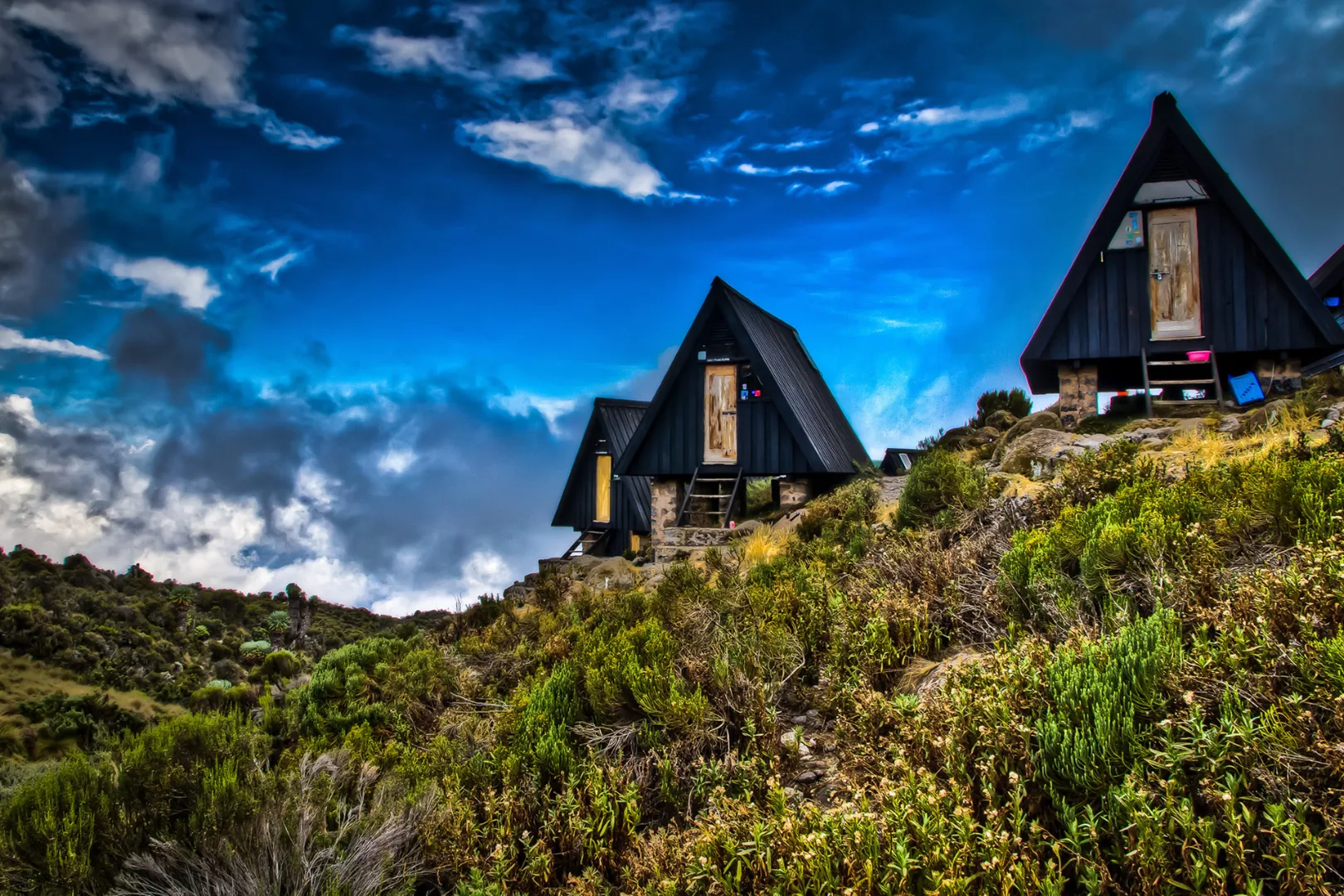
Kilimanjaro via Marangu Route — 6 Days
Mt. Kilimanjaro, Tanzania · Authentic Kilimanjaro✓ Verified
The classic 'Coca-Cola Route' — the only path with hut accommodation. A 6-day eastern approach to Uhuru Peak.
$1,950per person
View Details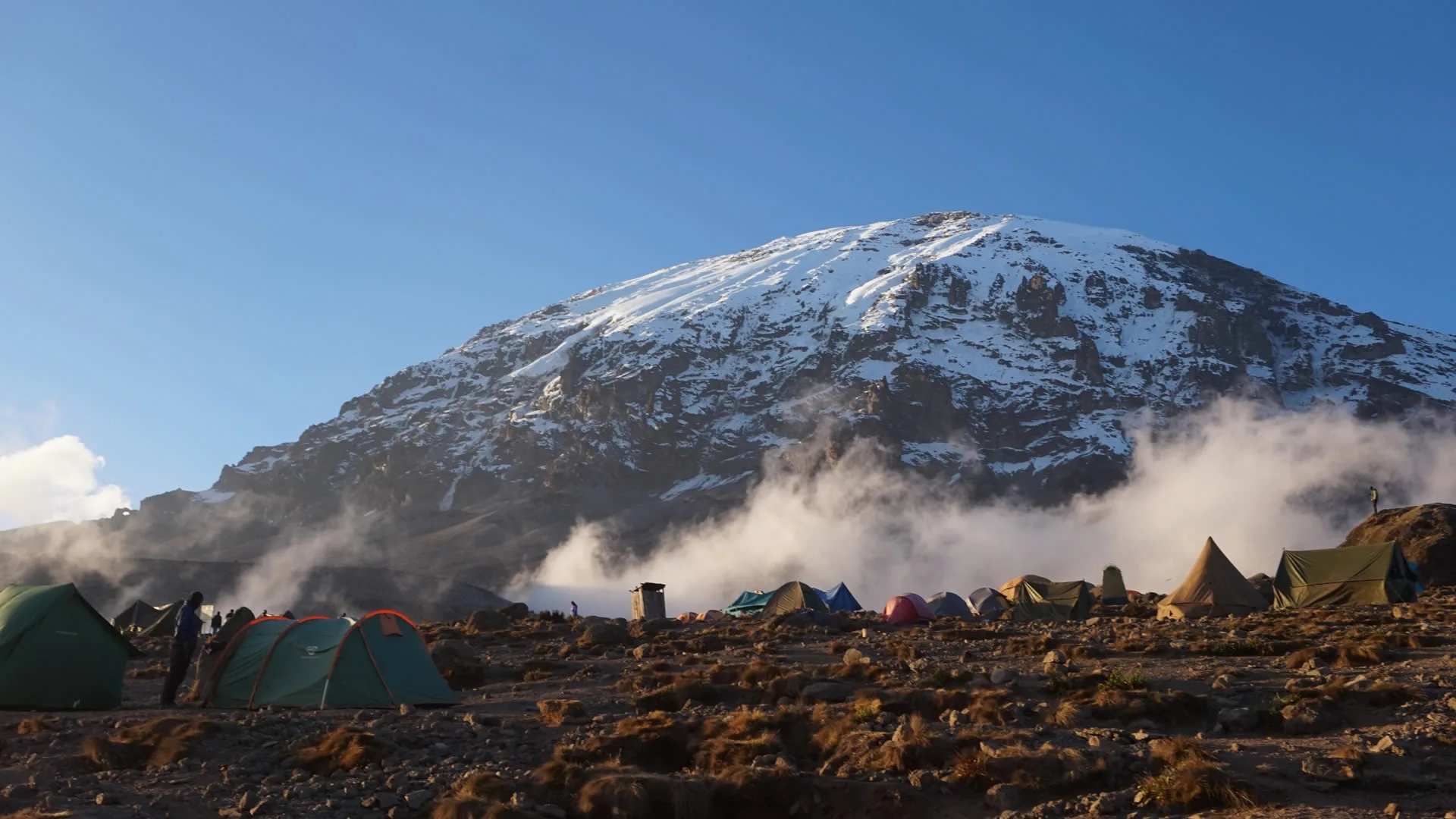
Kilimanjaro via Umbwe Route — 6 Days
Mt. Kilimanjaro, Tanzania · Authentic Kilimanjaro✓ Verified
The steepest and most direct route — for experienced trekkers seeking a challenging ascent through ancient forest and the Western Breach.
$2,050per person
View Details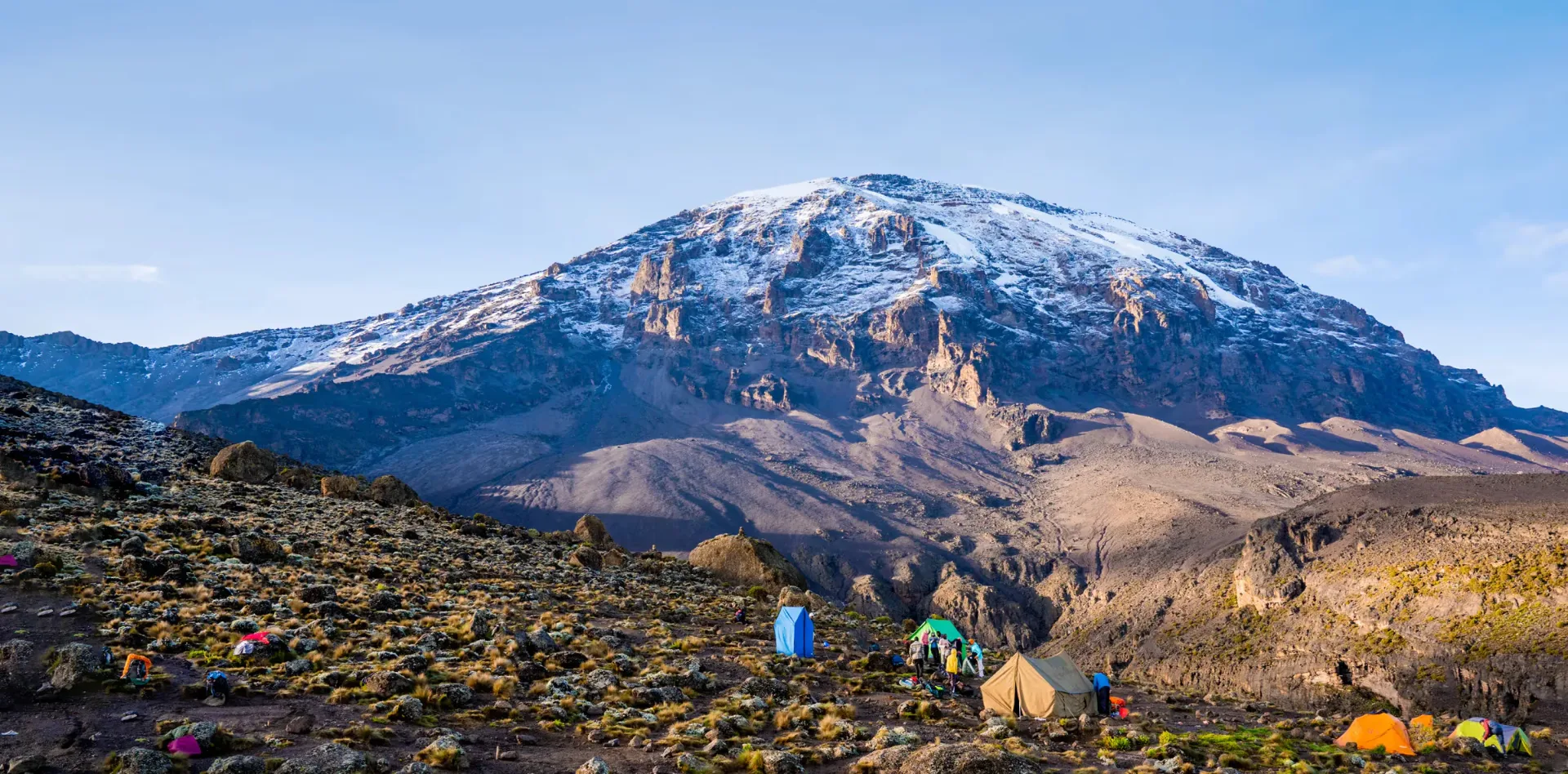
Kilimanjaro via Rongai Route — 7 Days
Mt. Kilimanjaro, Tanzania · Authentic Kilimanjaro✓ Verified
The quiet northern approach from the Kenyan border. 7 days through wilderness with the best chance of clear weather.
$2,100per person
View Details