Overview
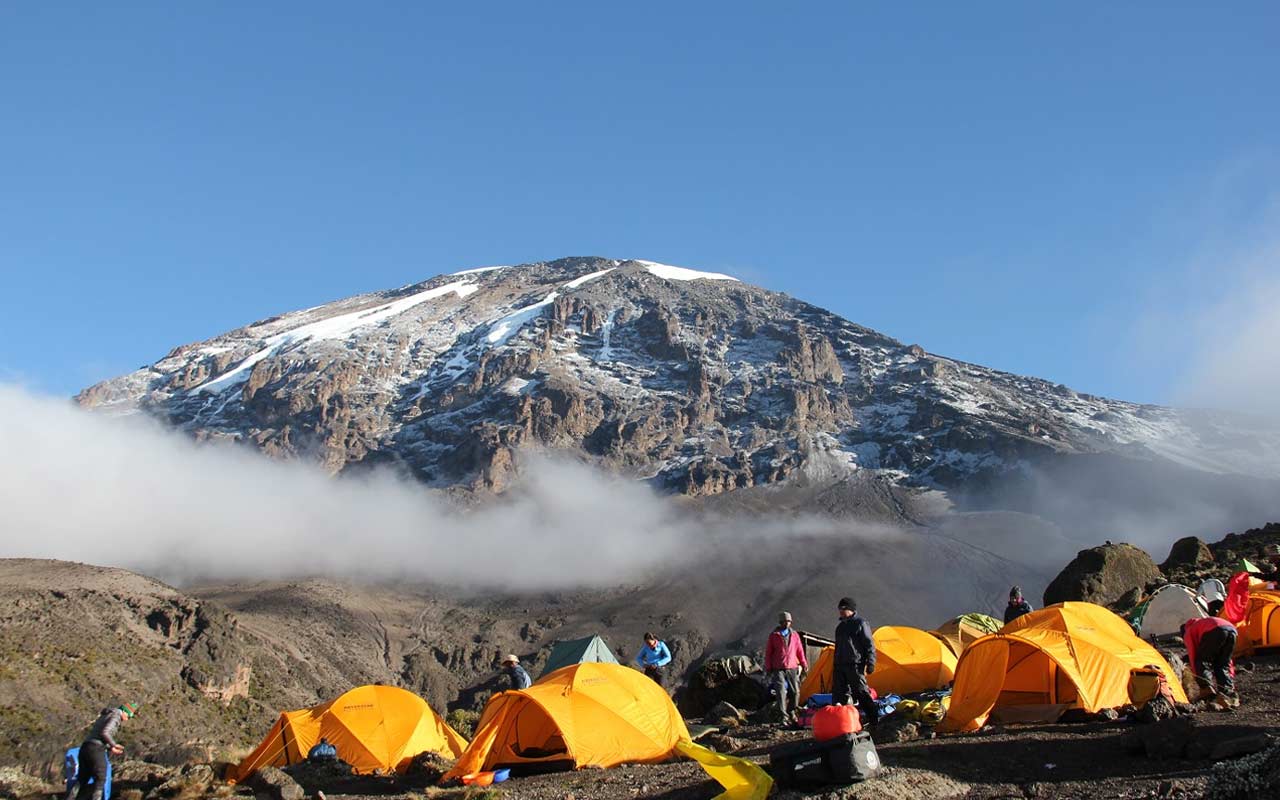
The Rongai Route approaches Kilimanjaro from the north, near the Kenyan border — making it the only route on the drier, quieter side of the mountain. This 7-day itinerary offers solitude, wilderness, and the best chance of clear weather (ideal during the rainy season). The northern approach provides a unique perspective of Kilimanjaro, passing through pine forest and alpine moorland before joining the Marangu route for the summit push via Kibo Hut. Descent is via the Marangu path.
Quietest route — true wilderness experience
Best weather — drier northern approach
Only route from the Kenyan border side
Unique northern perspective of Kibo Peak
Good for rainy season climbs
Moderate difficulty — steady gradient
Day by Day
Rongai Gate to Simba Camp
Drive from Moshi to Rongai Gate near the Kenyan border (approx 3 hours). Begin trekking through cultivated farmland that gives way to pine and cypress forest. The trail is gentle and quiet with views toward Kenya.
Simba Camp to Second Cave
Continue through the forest zone into heather and moorland. The trail offers increasingly open views of Kibo Peak and the northern ice fields. Pass First Cave and continue to Second Cave campsite.
Second Cave to Kikelelwa Camp
Trek across open moorland with views of Mawenzi Peak's dramatic spires. The terrain becomes more rugged as you approach Kikelelwa Camp, nestled at the base of Mawenzi.
Kikelelwa Camp to Mawenzi Tarn
Ascend to Mawenzi Tarn — a stunning alpine lake at the base of the Mawenzi spires. This is one of Kilimanjaro's most dramatic campsites. Optional acclimatization hike up the Mawenzi Ridge.
Mawenzi Tarn to Kibo Hut
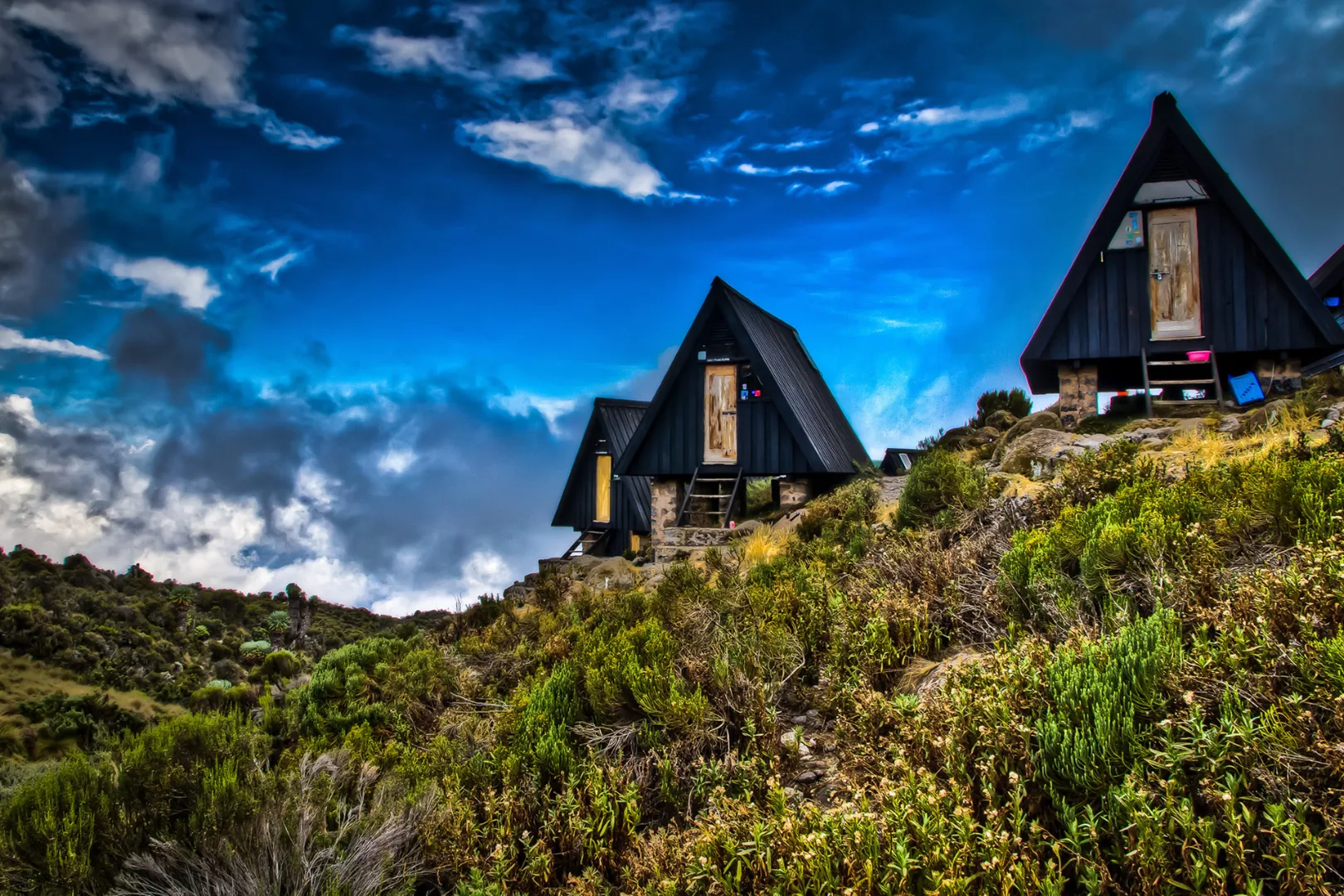
Cross the Saddle — the vast alpine desert between Mawenzi and Kibo. Arrive at Kibo Hut in the early afternoon. Rest, hydrate, and prepare for the midnight summit push.
Summit Night — Uhuru Peak (5,895m)
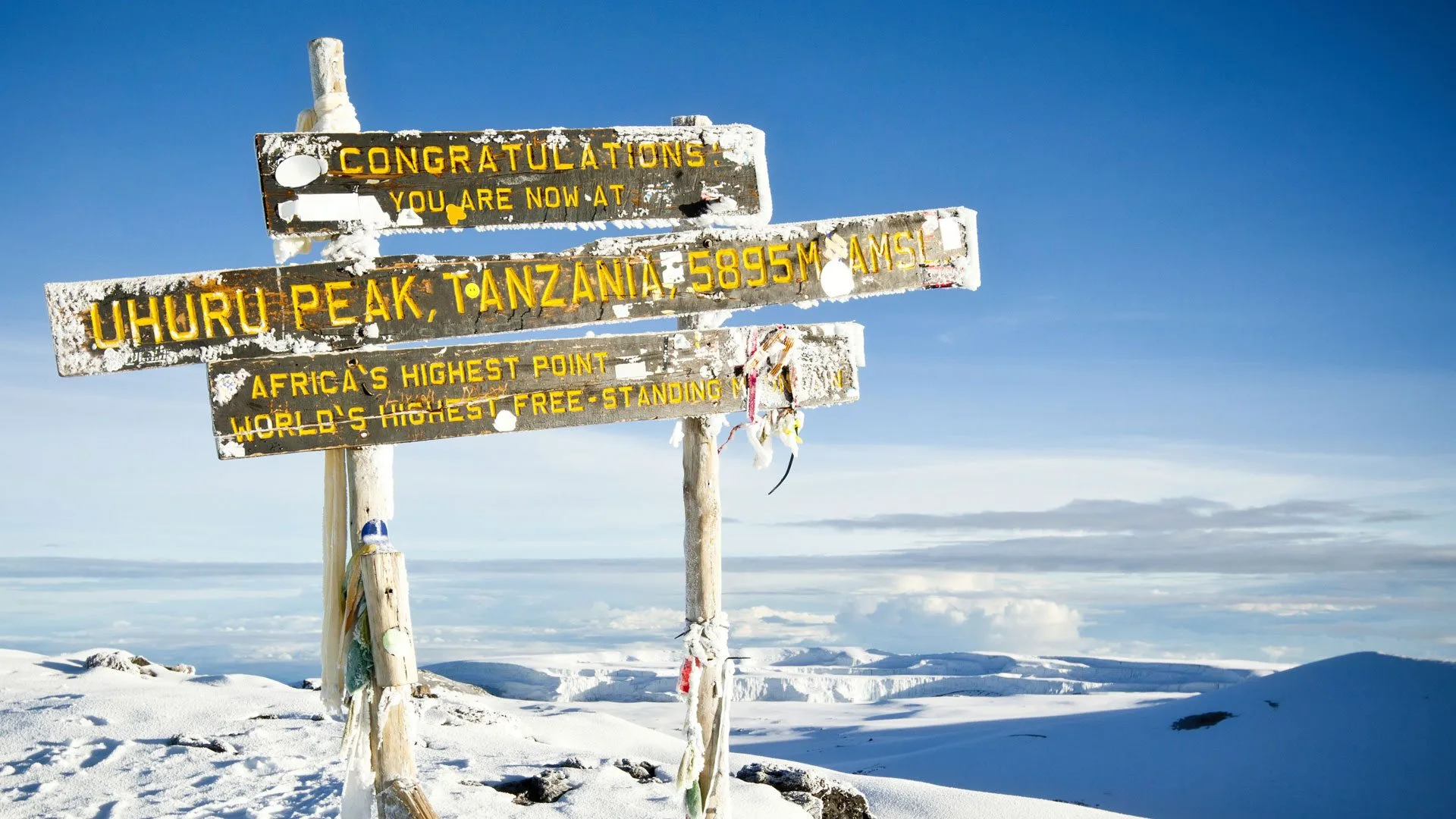
Midnight ascent via the Marangu summit trail. Reach Gilman's Point, then Stella Point, and finally Uhuru Peak at dawn — 5,895m. Descend to Horombo Hut via the Marangu path.
Horombo to Marangu Gate
Descend through moorland and rainforest to Marangu Gate. Collect your certificate, celebrate, and transfer to Moshi.
Included
- Park fees & rescue fees
- Professional KINAPA-licensed mountain guide
- Assistant guides
- Porters and cook
- All meals on the mountain
- Camping equipment (4-season tents, sleeping mats)
- Portable toilet
- Pulse oximeter & first aid kit
- Airport transfers
- 1 night hotel in Moshi (pre & post climb)
- Drinking water & snacks
Not Included
- International flights
- Tanzania visa
- Travel insurance (mandatory)
- Personal trekking gear & clothing
- Sleeping bag (available for rent)
- Tips for guides & porters
- Alcoholic beverages
- Personal expenses
Pricing
$2,100
$1,890
$1,722