
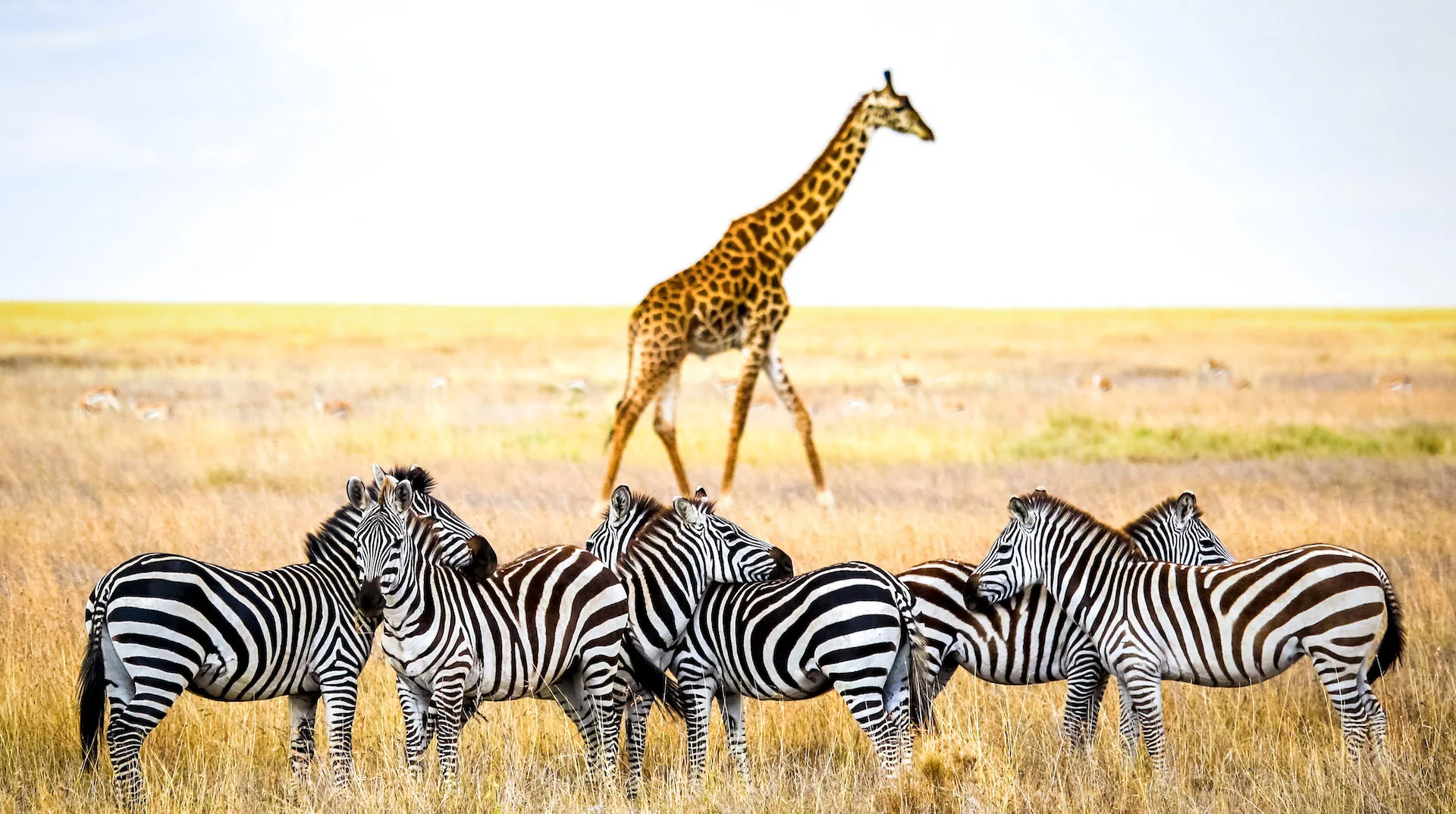
Serengeti
The perfect post-summit reward — trade alpine ice for golden savannah on a 2-3 day Serengeti safari extension.
Overview
After conquering Uhuru Peak, the Serengeti offers the ideal recovery safari. Most climbers extend their Kilimanjaro trek with a 2-3 day fly-in safari to the Serengeti, arriving by light aircraft from Arusha in under 90 minutes. The contrast is extraordinary: within hours of descending through montane forest, you are watching wildebeest pour across endless golden plains. The Serengeti's 14,763 square kilometres of protected savannah host the Great Migration — a spectacle that pairs perfectly with the physical achievement of summiting Africa's highest peak. Fly-in safari camps positioned along the migration route provide luxurious recovery after days of mountain camping, with hot showers, proper beds, and gourmet bush dining. For trekkers seeking the complete Kilimanjaro experience, adding a Serengeti extension transforms an adventure holiday into a once-in-a-lifetime African journey.
Wildlife
Best Time to Visit
Combine with a January-February climb for calving season on the southern plains, or a July-September climb for dramatic river crossings in the north. The dry season (June-October) offers the clearest post-summit safari conditions.
Getting There
Light aircraft from Arusha (90 minutes) — most climbing operators arrange seamless transfers from Moshi/Arusha hotels to Serengeti airstrips. No long drives needed after your descent.
Areas to Explore
Central Serengeti / Seronera
The wildlife hub of the Serengeti, centred on the Seronera River valley. Year-round resident predators, the highest concentration of leopard in Africa, and the closest access to the Serengeti National Park Golf Course. Most luxury lodges — including Four Seasons and Serena — are located here.
Western Corridor
The Grumeti River system defines this region, where massive Nile crocodiles await the migration herds and Singita's private concession offers exclusive game viewing. The western corridor fills with migrating wildebeest from May to July as the herds move north toward the Mara River.
Northern Serengeti (Kogatende)
The Northern Serengeti, centred around the Kogatende area and the Mara River, is where the Great Migration reaches its dramatic climax. From July through October, vast herds of wildebeest and zebra gather along the Mara River's banks, building in number and agitation until thousands plunge into the fast-flowing, crocodile-patrolled waters in a desperate bid to reach the lush grazing on the opposite bank. These river crossings are widely considered the single most spectacular wildlife event on the planet, with columns of animals stretching to the horizon as dust clouds rise from the riverbanks. The northern sector is characterised by rolling hills, dense riverine forest along the Mara, and open grassland dotted with whistling thorn and red oat grass. Beyond the migration, the area supports excellent resident wildlife including lion prides that specialise in hunting along the river, large leopard populations in the gallery forest, and elephant herds moving between Tanzania and Kenya. The Kogatende airstrip provides fly-in access, and the surrounding camps offer intimate, low-density safari experiences with unparalleled proximity to the crossings.
Northern Serengeti / Mara River
The dramatic climax of the Great Migration plays out here from July to October, as millions of wildebeest and zebra cross the crocodile-infested Mara River. Remote, wild, and less visited than the central Serengeti, this region rewards those who make the journey with the most spectacular wildlife theatre on earth.
Southern Serengeti (Ndutu)
The Southern Serengeti and the adjacent Ndutu area, straddling the boundary between the Serengeti National Park and the Ngorongoro Conservation Area, come alive from December to March when the migration herds converge on the short-grass plains for their annual calving season. The nutrient-rich volcanic soils, deposited by ancient eruptions from the Ngorongoro highlands, produce mineral-dense grasses that are essential for lactating mothers and their newborn calves. During the peak calving period in January and February, approximately 8,000 wildebeest calves are born each day — a staggering output that attracts every predator in the ecosystem. Lion, cheetah, hyena, jackal, and wild dog feast on the bounty, while vultures circle overhead in vast kettles. The open, flat terrain of the Ndutu plains provides exceptional visibility, making this one of the finest locations in Africa for observing predator-prey dynamics. Lake Ndutu and the surrounding acacia woodland offer year-round birdwatching, with flamingos, pelicans, and raptors in abundance. The area's seasonal camps operate from December to March, offering front-row seats to the calving spectacle.
Western Corridor & Grumeti
The western corridor stretches from Seronera to Lake Victoria and includes the Grumeti River system, where the migration passes through in May and June. The Grumeti Reserves (managed by Singita) encompass 140,000 hectares of private concession with exclusive access. The Grumeti River's resident Nile crocodile population — some individuals exceeding 5 metres — creates intense crossing drama here before the main Mara River events.
Climbs & Journeys Here
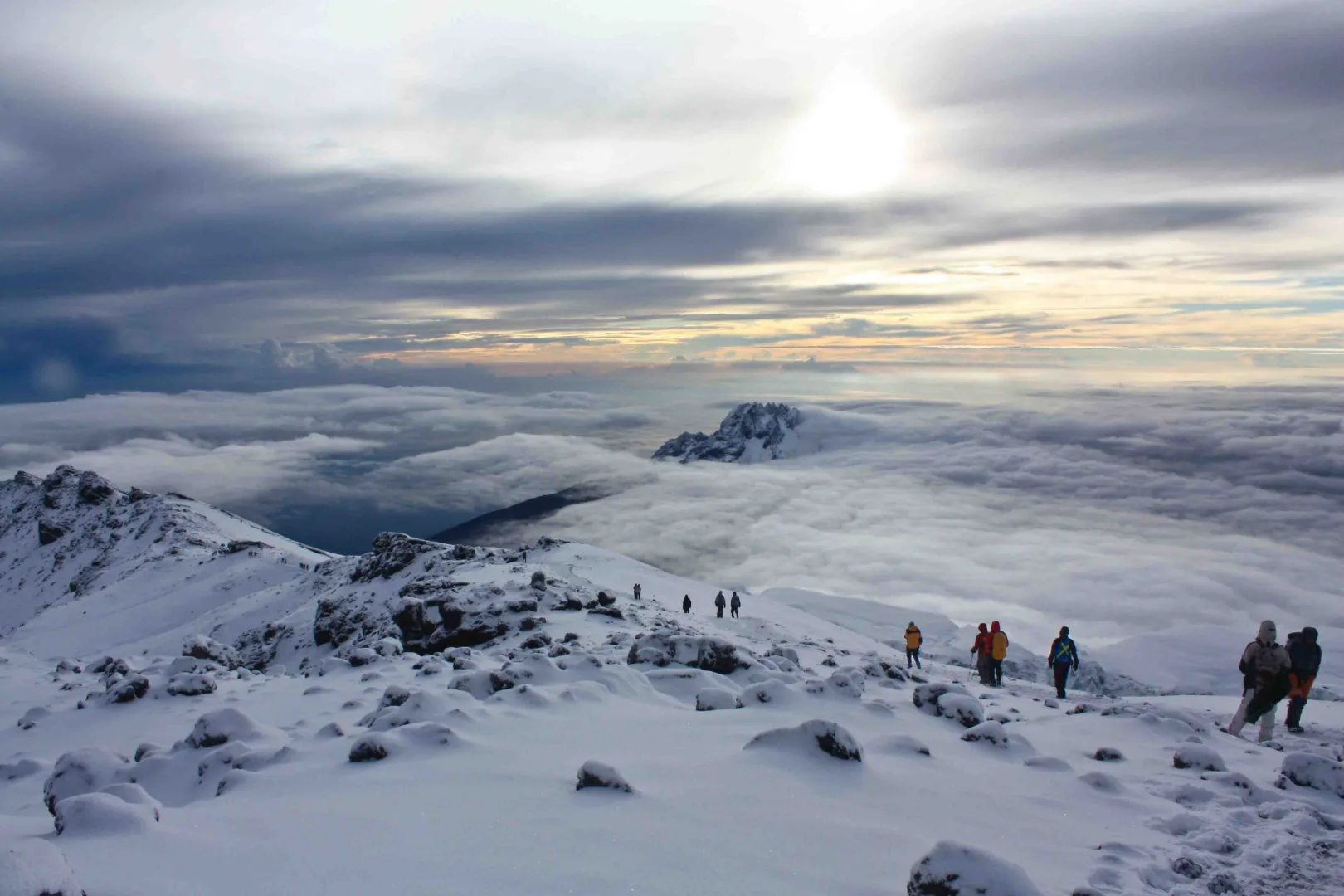
Kilimanjaro via Machame Route — 6 Days
Mt. Kilimanjaro, Tanzania · Authentic Kilimanjaro✓ Verified
The classic Machame route in a faster 6-day format — for fit, experienced trekkers who want to summit the Whiskey Route efficiently.
$1,900per person
View Details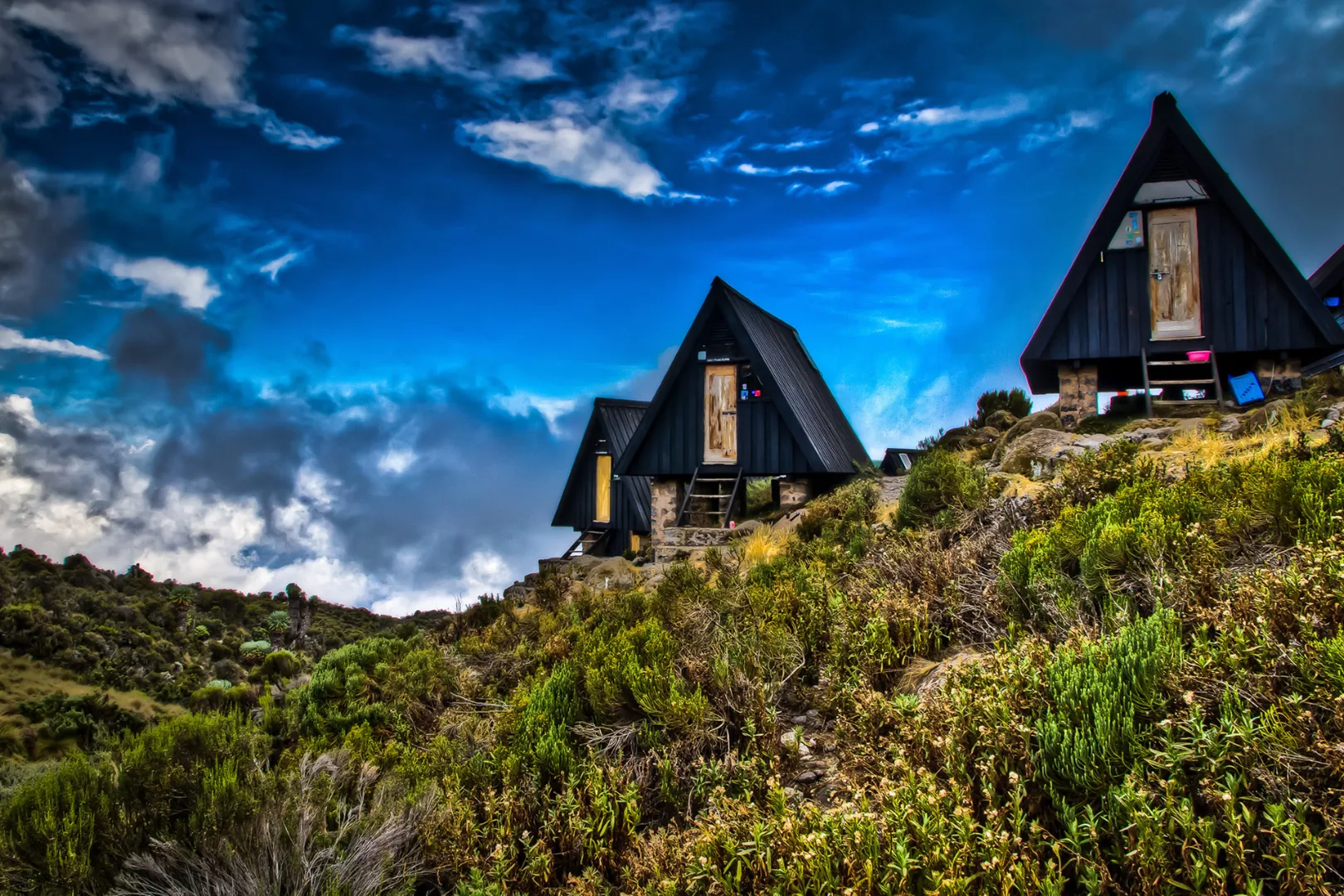
Kilimanjaro via Marangu Route — 6 Days
Mt. Kilimanjaro, Tanzania · Authentic Kilimanjaro✓ Verified
The classic 'Coca-Cola Route' — the only path with hut accommodation. A 6-day eastern approach to Uhuru Peak.
$1,950per person
View Details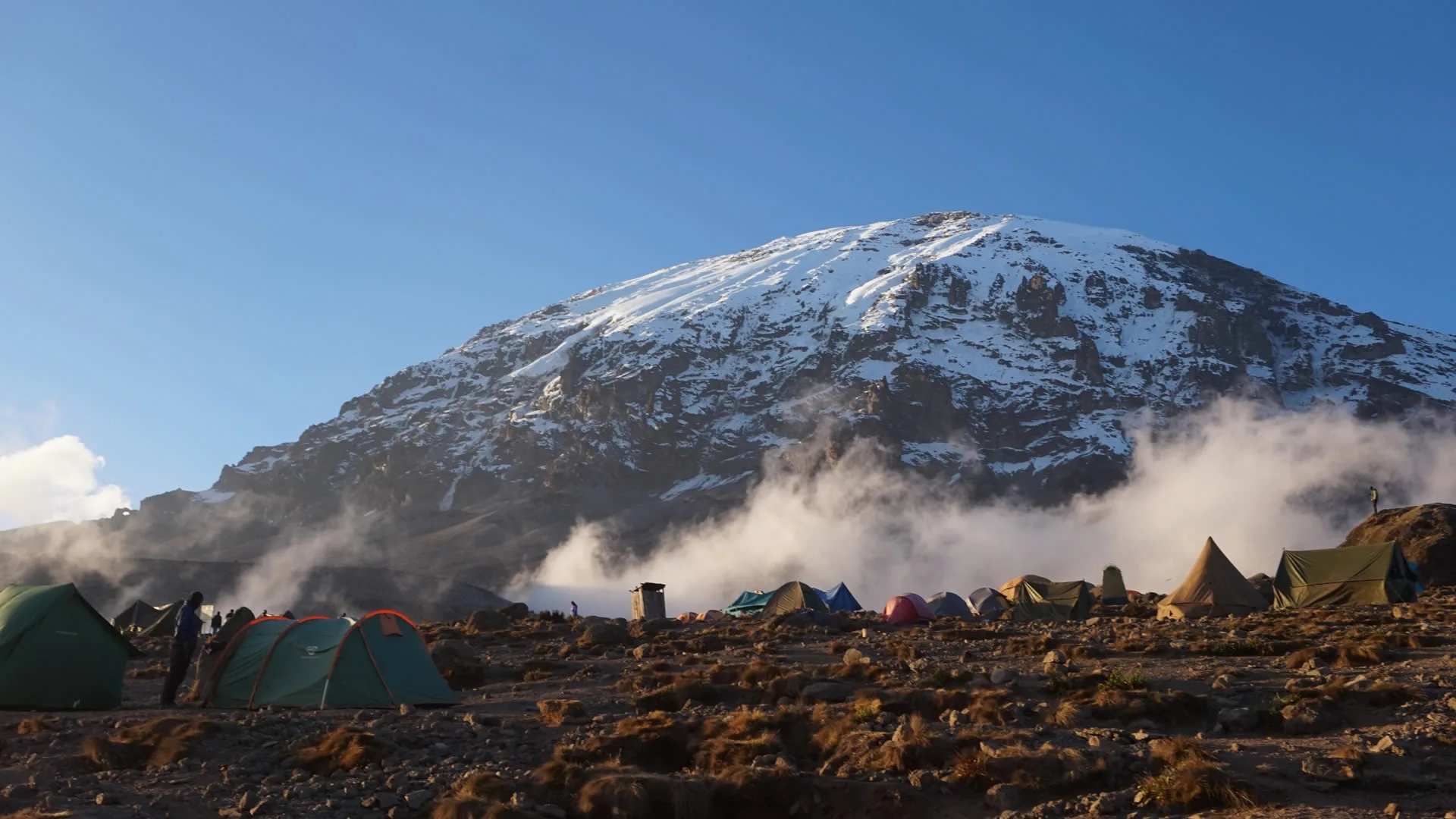
Kilimanjaro via Umbwe Route — 6 Days
Mt. Kilimanjaro, Tanzania · Authentic Kilimanjaro✓ Verified
The steepest and most direct route — for experienced trekkers seeking a challenging ascent through ancient forest and the Western Breach.
$2,050per person
View Details
Kilimanjaro via Rongai Route — 7 Days
Mt. Kilimanjaro, Tanzania · Authentic Kilimanjaro✓ Verified
The quiet northern approach from the Kenyan border. 7 days through wilderness with the best chance of clear weather.
$2,100per person
View Details